Your podcast may have great ideas, but rough audio can push listeners away before your message lands. Good sound, clear pacing, and steady volume keep listeners engaged, and a good podcast editor makes that happen. They remove noise, shape your story, and deliver smooth, polished episodes.
With a pro handling the technical work, you gain more time to focus on interviews, creative direction, and the overall growth of your show. These tips help you hire an editor who fits your style, workflow, and budget so your episodes sound more professional every time. Keep reading to explore the full article and learn how to choose the best partner for your podcast.
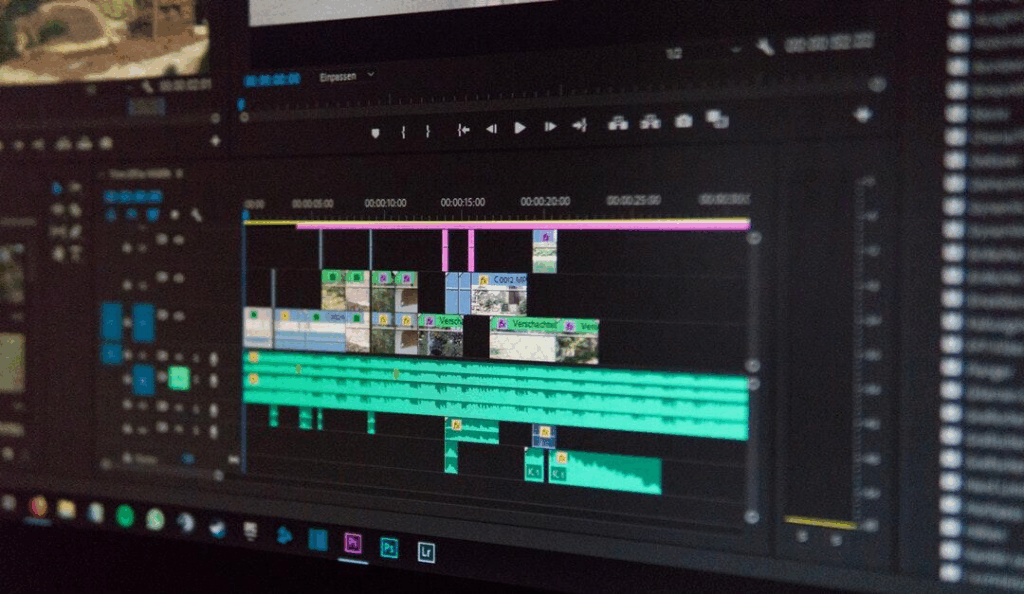
Set Clear Standards for a Smooth Editing Partnership
Clarify every task you want the editor to handle so the project runs smoothly from day one. List the tasks you want handled, like noise cleanup, mixing, sound design, and file formats. Be clear about deliverables, such as a mastered MP3 and raw stems, within 48 hours.
Set your technical basics early by choosing the sample rate, bit depth, and loudness target, following common loudness standards like ’16 LUFS for stereo shows. Pick your preferred editing software, whether Descript, Audition, Reaper, or Logic, and decide how you’ll share files through Dropbox or Google Drive. These choices build a clean workflow, cut down revisions, and help the editor deliver steady, professional results.
Smart Ways to Find the Right Podcast Editor
Freelance marketplaces and job boards help you explore portfolios, study reviews, and check real examples of past work. These platforms make it easy to compare skills and pricing so you can spot an editor who fits your budget and style. They also give you a clear view of how each editor communicates, delivers files, and finishes projects.
Podcast communities and referrals add another layer of trust by connecting you with editors who already have a strong track record. Asking podcasters you admire can lead you to people who match your creative taste and working style. You can also use targeted search tools, like “podcast editor portfolio” or resources such as Transom, to discover professional editors, and browse curated hiring spaces like podcast editor for hire for direct, qualified leads.
Know What to Look For in a Pro Editor
Check a sample reel to see how well the editor cleans audio, balances levels, and removes small distractions. Look for smooth transitions and clear sound that keeps you focused on the story. Excellent editing seamlessly blends into the background, making the episode feel more natural.
Pose direct questions regarding their experience with your show format and inquire about their methods for fixing problem audio. Confirm the software they use, the formats they deliver, and the loudness targets they follow. Editors who mention LUFS, ISRCs, and hosting setup show solid technical skill.
Test the Fit Before You Commit
Keep your trial small so you can see real performance without a big time investment. Send a clear brief with a short segment and clean raw files. A paid test shows respect and gives you a true read on their editing style and pace.
Judge the trial by audio quality, communication, and how fast they deliver the edit. Notice how well they follow your notes and whether the edit needs many revisions. Too many fixes usually mean the workflow isn’t a good match.
Set Fair Terms That Keep the Work Running Smoothly
Understand the common pricing options-hourly, per-episode, or project rates-and choose the one that fits your release schedule and budget. Set clear terms by defining revision limits, delivery timelines, payment details, and who owns the final files, including rules for rush fees and cancellations. Use a short three-episode pilot contract to lower risk and give both sides a simple way out if the partnership doesn’t fit.
Build a Smooth Editing System That Elevates Your Show
Create a simple style guide that explains your tone, pacing, music cues, and naming rules so episodes stay consistent without endless back-and-forth. Give clear feedback with timestamps and short notes that tell the editor exactly what to adjust. Track downloads, retention, and listener reactions so you can see whether the editor’s work is boosting your show’s overall performance.
Smooth Collaboration Essentials
Utilizing shared folders, templates, and checklists enhances organization and minimizes mistakes. Tools like Trello make it easy to track tasks and deadlines so the project stays on schedule. These systems help your team work in sync from start to finish.
Missed deadlines, unclear messages, and edits that don’t follow your brief are early warning signs. A dependable editor stays on time, explains choices, and keeps you updated. As your audience and sponsors grow, you can bring in a producer or sound designer, and let your editor step into a bigger creative role with branded stings and faster mix setups.
Trusted Audio Standards Made Simple
Check reliable resources like Transom for practical tips and easy-to-follow audio standards. These guides explain storytelling, production steps, and quality basics in a way you can use right away. Apply what you learn to tighten your project brief so your editor knows your goals.
A stronger brief sets clear expectations from the start and cuts down on revisions. It also helps your editor work faster and meet the quality you want. With the right references, your production stays smooth from start to finish.
Build a Strong Editing Partnership
Finding the right freelance podcast editor takes clarity, patience, and a solid process, but the payoff is worth it. Start by outlining what you need, reviewing real work samples, and running a short paid test to see how well the editor fits your workflow. When you lock in clear terms, communication habits, and delivery expectations, you set the stage for smoother edits and stronger episodes.
A skilled editor brings consistency, improves listener experience, and gives you more time to focus on content and growth. If you’re ready to move forward, begin with a simple trial edit and a one-page style guide to set the tone for a long-term working relationship. Keep leveling up your production by reading our blog for more practical tools, strategies, and insights.